Health Risks Associated With Wildlife Living in or Around Your Home
Wildlife removal experts can help prevent health risks associated with wildlife living in or around your home by safely removing animals and reducing potential disease exposure.
Understanding the health risks associated with wildlife living in or around your home is an important step for property owners concerned about safety and well-being. Animals such as rodents, raccoons, bats, and birds can carry diseases that may pose serious health threats if they find their way into living spaces or nesting nearby. Recognizing the signs of wildlife activity and knowing how to address potential hazards can help prevent the spread of illnesses and reduce the risk of contamination, especially in areas where children or pets are present. Local contractors specializing in wildlife removal are equipped to assess property conditions and implement effective solutions to keep these risks at bay.
For property owners in the area, exploring this topic is a practical way to protect both health and property value. Wildlife that inhabits or roams around homes can introduce pests, create unsanitary conditions, and even cause structural damage. Engaging with experienced wildlife removal service providers ensures that these issues are handled safely and efficiently, reducing the likelihood of health problems stemming from animal-related hazards. Keep reading to learn more about common wildlife-related health concerns and how local experts can assist in maintaining a safe, wildlife-free environment around your home.
- Wildlife exclusion services - when wildlife inhabits your attic or walls, local contractors can help remove animals and seal entry points to reduce health risks associated with wildlife living in or around your home.
- Sanitization and cleanup - after wildlife removal, service providers can sanitize affected areas to prevent the spread of diseases linked to animal droppings and nests.
- Rodent proofing - local experts can identify and secure potential entry points to prevent rodents from returning, minimizing exposure to parasites and pathogens.
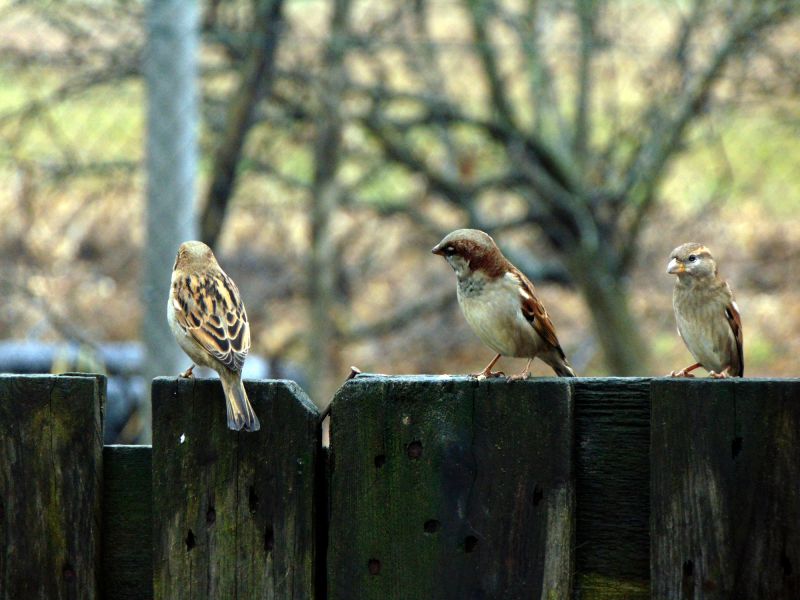
- Bird removal and deterrent installation - when birds roost on your property, professionals can safely remove nests and install deterrents to lower health risks associated with bird droppings.
- Bat exclusion services - if bats are roosting in your home, local contractors can safely remove them and prevent future occupancy to reduce potential health hazards.
When people search for information about health risks associated with wildlife living in or around their home, they are often concerned about the potential dangers posed by animals that have taken up residence nearby. These concerns typically stem from the possibility of disease transmission, contamination, or other health hazards that can arise when wildlife inhabits spaces meant for humans. Homeowners may notice signs of animal activity such as droppings, chewed wiring, or unusual noises, prompting worries about the safety of their household environment. Understanding these risks is crucial for those who want to protect their families and pets from health issues linked to wildlife intrusion.
This topic relates to a variety of problems and plans homeowners might have regarding their property. Many are interested in preventing animals from nesting in attics, crawl spaces, or walls, which can lead to health concerns over time. Others may be focused on removing animals that have already established themselves, especially if signs of infestation are evident. The goal often involves not only eliminating the animals but also ensuring that any potential health hazards-such as parasites, bacteria, or viruses-are addressed through proper cleanup and exclusion methods. These projects typically require specialized knowledge to safely remove wildlife and mitigate health risks effectively.
Properties that commonly come up in discussions about wildlife-related health risks include residential homes, especially those with older or poorly sealed structures. Attics, basements, and attic spaces are frequent nesting sites for animals like raccoons, squirrels, or bats. Additionally, rural properties, cabins, and homes near wooded or undeveloped land are more likely to experience wildlife encounters. Commercial buildings or outbuildings that aren’t regularly maintained can also become habitats for unwanted animals. Recognizing the types of properties prone to wildlife activity helps homeowners understand the importance of professional removal services to reduce health hazards associated with these animals.
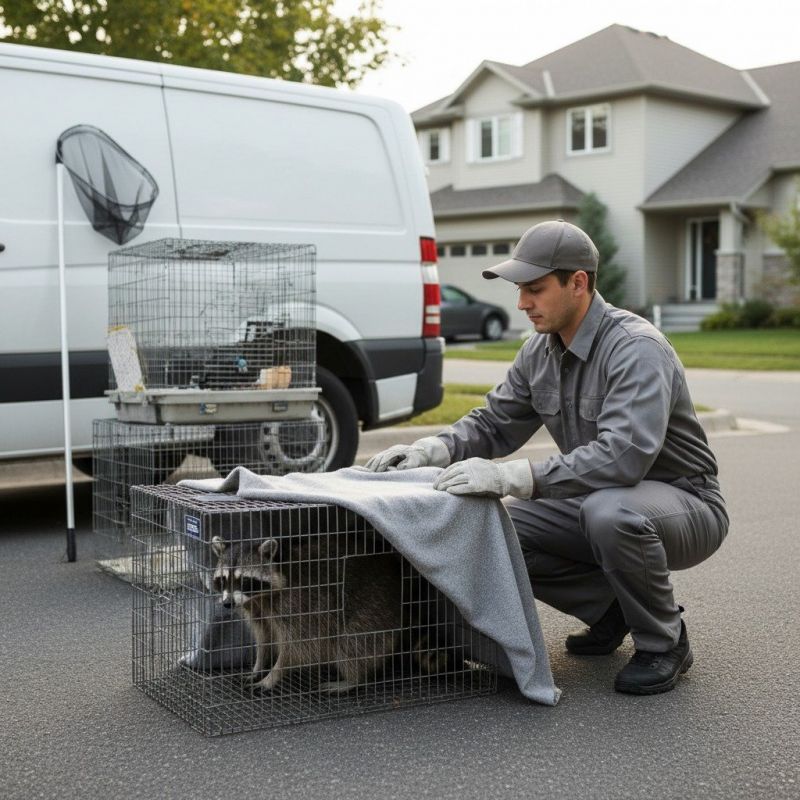
Local service providers who specialize in wildlife removal play a vital role in addressing health risks linked to animals living in or around homes. These professionals are equipped to handle the safe removal of wildlife, clean contaminated areas, and seal entry points to prevent future invasions. They understand the behaviors of different species and the potential health threats they pose, making them essential partners in safeguarding a property’s environment. Connecting with experienced wildlife removal contractors ensures that the problem is managed responsibly, reducing the risk of disease transmission, contamination, and other health-related issues associated with wildlife living in or around a home.
Wildlife exclusion projects - these involve sealing entry points and preventing animals from accessing homes, which can reduce health risks associated with wildlife living in or around your home.
Rodent proofing services - specialists focus on eliminating rodent access, helping to minimize the spread of diseases linked to rodents and their droppings.
Nesting removal and prevention - local contractors remove existing nests and implement measures to prevent future nesting, reducing exposure to parasites and pathogens.
Sanitation and cleanup services - these services address contamination caused by wildlife, helping to reduce health hazards from droppings, urine, and debris.
Pest and wildlife inspection services - inspections identify potential health risks posed by wildlife presence and recommend appropriate removal strategies.
Attic and crawl space sealing - sealing these areas prevents wildlife entry, lowering the risk of disease transmission and structural damage caused by animals.
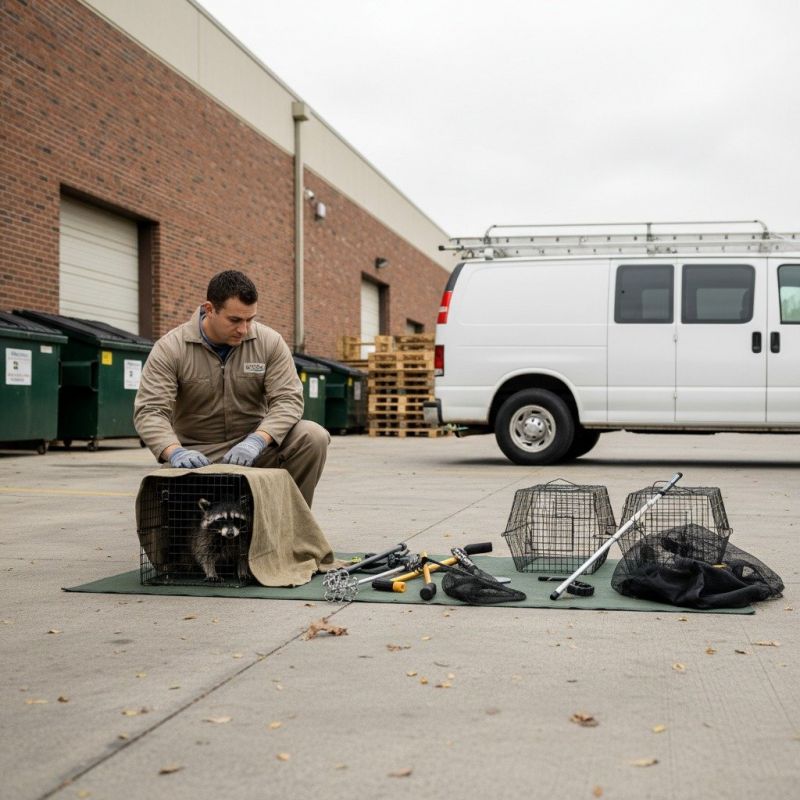
When comparing wildlife removal service providers, it’s important to consider their experience with similar projects involving wildlife living in or around homes. An experienced local contractor will have a better understanding of the common species in the area and the specific health risks they may pose, such as exposure to parasites or disease transmission. This background can help ensure the removal process is handled safely and effectively, reducing the chances of future issues related to wildlife intrusion. Homeowners should inquire about the contractor’s familiarity with addressing health concerns associated with wildlife and their approach to managing these risks during removal.
Clear written expectations are essential when choosing a wildlife removal service. A reputable service provider will be transparent about the scope of work, including inspection procedures, removal methods, and follow-up steps to prevent re-entry. Having detailed documentation helps homeowners understand what to expect and ensures that health risks associated with wildlife living in or around the home are thoroughly addressed. This clarity also minimizes misunderstandings and provides a record of the agreed-upon services, which can be valuable if further issues arise.
Good communication and reputable references are key indicators of a reliable local contractor. Service providers who can offer references from previous clients demonstrate a track record of successful projects and responsible handling of wildlife-related health risks. Additionally, clear communication throughout the process allows homeowners to ask questions, express concerns, and receive guidance on health precautions. Choosing a contractor with strong references and open communication can help ensure that the wildlife removal is performed professionally, with attention to both safety and the specific health risks posed by wildlife inhabiting the property.
Property owners often search for health risks associated with wildlife living in or around your home when they are planning practical projects around their homes and businesses. Local pros provide Wildlife Removal services for everyday jobs and straightforward project options.
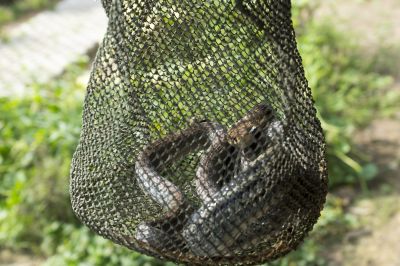
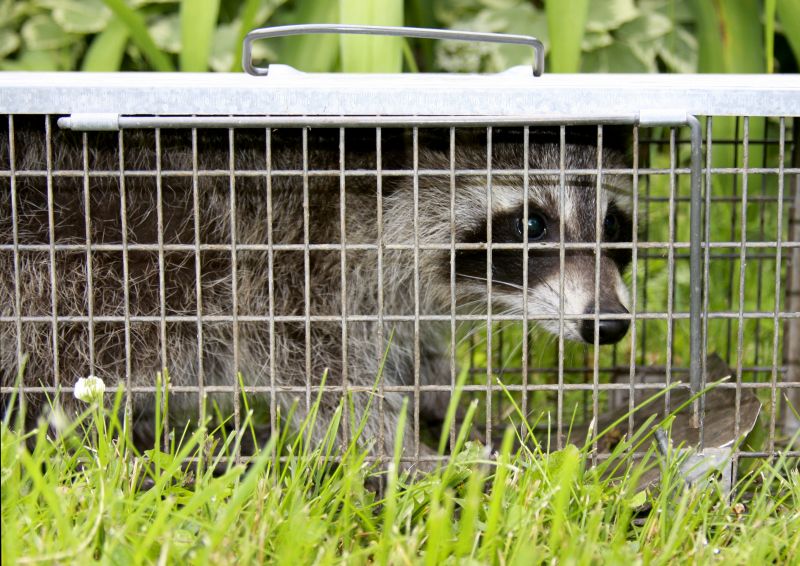
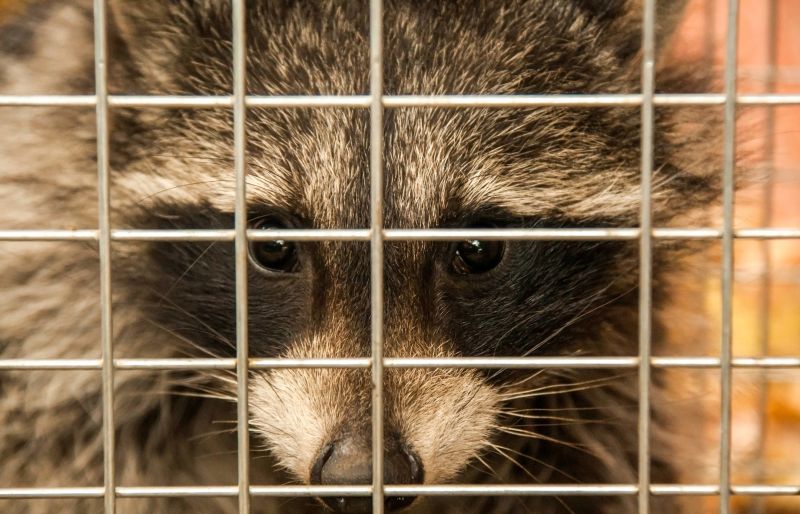
Wildlife living in or around a home can pose several health risks that property owners may want to be aware of. Animals such as raccoons, squirrels, bats, and birds often seek shelter in attics, crawl spaces, or wall cavities, creating potential pathways for the transmission of diseases. Their droppings and urine can carry harmful pathogens, which may become airborne or contaminate living areas, increasing the risk of respiratory issues or infections. Additionally, some wildlife species can carry parasites like fleas, ticks, or mites, which can transfer to humans and pets, further elevating health concerns.
Property owners noticing signs of wildlife intrusion should consider the benefits of professional wildlife removal services provided by local contractors. These experts can safely and effectively remove animals and mitigate health risks associated with their presence. Proper removal and exclusion help prevent the spread of disease and reduce the likelihood of damage caused by wildlife activity. Connecting with experienced service providers can ensure that the issue is handled efficiently, promoting a healthier and safer home environment.
What health risks are associated with wildlife living in or around a home? Wildlife can carry diseases such as rabies, hantavirus, and parasites that pose health risks to residents. Local contractors can safely remove and exclude wildlife to reduce these dangers.
How can wildlife in or around a home impact health? Wildlife can contaminate living areas with droppings, urine, or parasites, increasing the risk of infections and respiratory issues. Professional wildlife removal helps prevent these health hazards.
Why is it important to address wildlife presence promptly? Delaying removal can lead to increased exposure to zoonotic diseases and attract more pests. Local service providers can quickly and effectively handle wildlife issues to protect health.
Are there specific health concerns related to certain types of wildlife? Yes, animals like bats and rodents are known carriers of serious diseases. Local pros are equipped to identify and safely remove these animals to minimize health risks.
What role do wildlife removal services play in safeguarding health? They help eliminate wildlife from homes, reducing the risk of disease transmission and contamination, and ensuring a healthier living environment.
Identify entry points - property owners can work with local contractors to find and seal gaps where wildlife may enter, reducing health risks associated with wildlife living in or around your home.
Install deterrents - applying humane deterrent devices or barriers with the help of local pros can discourage wildlife from nesting or roosting near living areas.
Remove existing wildlife - engaging local wildlife removal services ensures safe and effective removal of animals that pose health risks associated with wildlife living in or around your home.
Sanitize affected areas - professional cleaning and disinfection of areas contaminated by wildlife can minimize health risks associated with wildlife living in or around your home.
If you are thinking about health risks associated with wildlife living in or around your home for a property, this guide is meant to help you understand this topic, the typical project types, and how different options might fit your plans.
When you are ready, you can use the quote form on this page to share a few details about your project. From there, local pros can review the basics and follow up with options that match what you have in mind.