What to Expect During a Professional Wildlife Removal Visit
People seeking wildlife removal typically want pests safely and humanely removed, and local service providers can handle inspections, exclusions, and cleanup during a professional visit.
If you're wondering what to expect during a professional wildlife removal visit, you're in the right place. Property owners in the area often seek these services to address unexpected encounters with animals like raccoons, squirrels, bats, or birds that have taken up residence in or around their homes. Understanding the typical process can help ease concerns and prepare you for what’s to come. During a visit, experienced service providers will assess the situation, identify entry points, and determine the best approach to safely and humanely remove the wildlife. Knowing what steps are involved can make the experience less stressful and ensure that your property is handled with care.
Exploring this topic is practical for anyone facing wildlife intrusions or wanting to prevent future issues. Local contractors who specialize in wildlife removal are equipped to handle a variety of situations, offering solutions tailored to each property’s needs. They focus on humane removal methods and effective exclusion techniques to keep unwanted visitors out in the long term. Keep reading to learn more about the typical procedures involved during a wildlife removal visit, and how trusted service providers can help restore safety and comfort to your home or business.
- Wildlife inspection - when homeowners notice unusual noises or signs of animal activity, local contractors conduct thorough inspections to identify entry points and problem areas.
- Exclusion services - if animals are found inside a property, local service providers implement humane exclusion methods to safely remove wildlife and prevent future entry.
- Habitat modification - in cases where wildlife has established nests or habitats near structures, local pros advise on adjustments to deter animals from returning.
- Damage repair - when wildlife has caused structural damage or soiled insulation, local contractors offer repairs to restore safety and integrity.
- Prevention consultation - after wildlife removal, local experts provide advice on ongoing prevention strategies to reduce the risk of re-infestation.
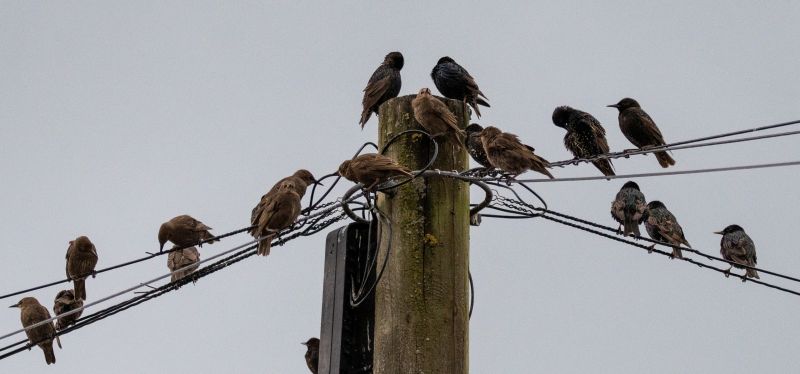
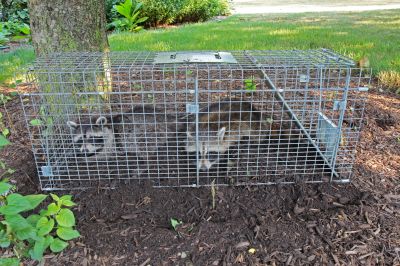
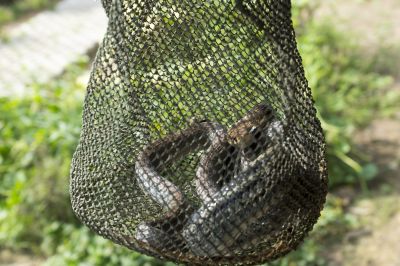
When searching for information about what to expect during a professional wildlife removal visit, homeowners are often trying to understand how the process unfolds and what steps are involved. Typically, this topic relates to situations where animals have entered or caused issues within residential or commercial properties, such as raccoons in the attic, squirrels in the walls, or bats roosting in eaves. People seeking this information want to know how wildlife removal specialists handle these scenarios, what methods they use, and how they ensure the animals are removed humanely and efficiently. Understanding these aspects helps property owners feel more prepared and confident about the process, knowing that experienced service providers can address their specific problems.
Wildlife removal visits are usually triggered by concerns over property damage, noise, odors, or health risks associated with animal infestations. These problems often involve animals that have found access points into buildings or structures, and property owners may plan to prevent future intrusions once the animals are removed. The visit itself typically involves an inspection to identify entry points, signs of activity, and the extent of the problem. Service providers then develop a plan tailored to the situation, which may include trapping, exclusion, or habitat modification. Homeowners should expect the process to be thorough, with a focus on safely removing animals and preventing their return, all while minimizing disruption to the property.
The types of properties that commonly come up during wildlife removal visits include single-family homes, multi-unit residences, barns, sheds, and commercial buildings. Residential properties are often targeted because animals like raccoons, squirrels, birds, or bats tend to seek shelter in attics, chimneys, or wall cavities. Commercial properties such as warehouses or agricultural buildings may also be affected, especially if they provide easy access for wildlife. The structure’s age, design, and location can influence the complexity of the removal process. Local service providers are familiar with these property types and understand how different animals interact with various building features, ensuring they can adapt their approach to each specific project.
During a typical wildlife removal visit, property owners can expect the service provider to conduct a detailed inspection of the affected areas. This includes looking for signs of animal activity, such as droppings, nesting materials, or damage, and pinpointing how animals are entering or leaving the property. The technician will explain their findings and outline a plan for humane removal, which may involve setting traps or sealing entry points. The process often involves some level of property access, so homeowners should prepare for minor disturbances or temporary restrictions in certain areas. Overall, the visit aims to resolve the immediate issue efficiently while laying the groundwork for long-term prevention, with local service providers ready to handle the specific needs of each property.
Attic inspection services - local contractors perform detailed inspections of attics and crawl spaces to identify signs of wildlife activity and entry points, similar to what is involved during a wildlife removal visit.
Exclusion and sealing projects - professionals focus on sealing entry points and installing barriers to prevent future wildlife intrusions, which is a key part of the removal process.
Animal trapping services - local service providers use humane traps to capture nuisance wildlife, a common step in wildlife removal procedures.
Damage repair services - specialists repair damage caused by wildlife, such as chewed wiring or insulation, paralleling the cleanup and restoration aspects of a wildlife removal visit.
Odor removal treatments - experts apply odor control solutions to eliminate persistent smells from wildlife presence, aligning with post-removal cleanup efforts.
Pest and wildlife exclusion consulting - local pros offer advice on preventing future wildlife issues through planning and structural modifications, similar to planning during a removal visit.
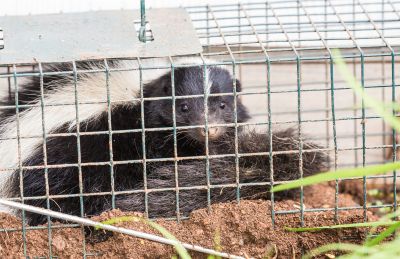
When comparing wildlife removal service providers, it’s important to consider their experience with similar projects. Homeowners should inquire about the types of wildlife the contractors have handled and how often they perform this specific work. A provider with a history of successful wildlife removals in residential settings can offer insights into their familiarity with common challenges and effective solutions. This experience can help ensure that the wildlife removal visit is efficient and addresses the unique aspects of the situation, reducing the likelihood of recurring issues.
Clear, written expectations are essential when evaluating local contractors for wildlife removal. Service providers should be able to outline what the process will involve, including inspection procedures, removal methods, and follow-up steps. Having this information in writing helps homeowners understand what to anticipate during a wildlife removal visit and ensures there are no surprises. Transparent communication about what is included in the service can also aid in comparing different providers and selecting the one that offers the most comprehensive and straightforward approach.
Reputable references and effective communication are key factors in choosing a reliable wildlife removal professional. Homeowners should seek out service providers who can provide references from previous clients or examples of completed projects. Additionally, good communication involves responsiveness, clarity, and the ability to answer questions thoroughly. Service providers who are transparent and willing to discuss their methods and experience can foster trust and confidence. These qualities help ensure that the wildlife removal process proceeds smoothly and that any concerns are addressed promptly throughout the engagement.
Property owners often search for what to expect during a professional wildlife removal visit when they are planning practical projects around their homes and businesses. Local pros provide Wildlife Removal services for everyday jobs and straightforward project options.
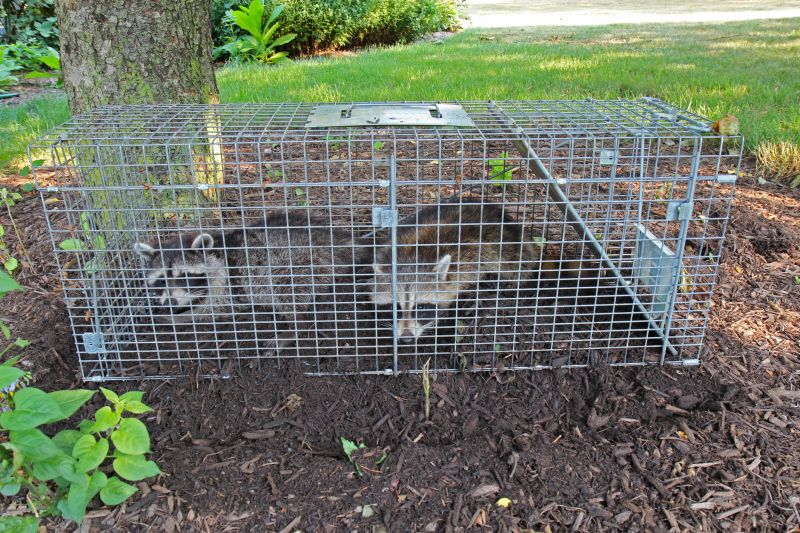
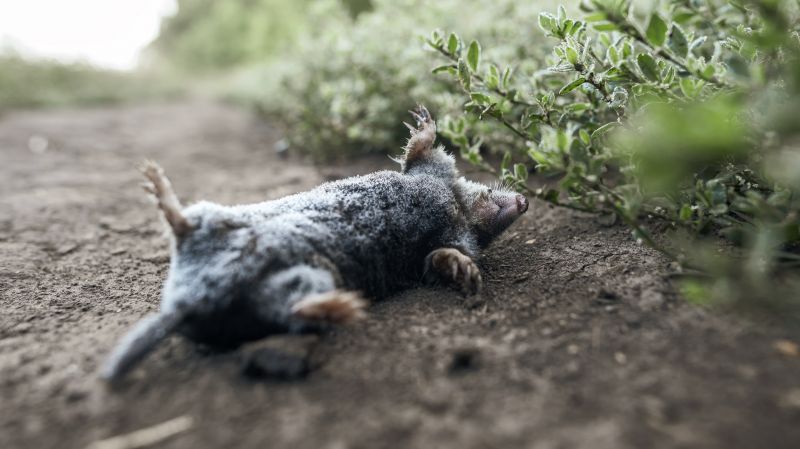
During a professional wildlife removal visit, property owners can typically expect a thorough assessment of the affected areas. Local contractors often begin by inspecting the property to identify signs of wildlife activity, such as droppings, nesting materials, or damage to structures. They may also look for entry points that animals could be using to access the building. This initial evaluation helps determine the type of wildlife involved and the best approach for safe and effective removal, ensuring that the property is properly prepared for the next steps.
Once the assessment is complete, wildlife removal specialists usually implement targeted strategies to humanely exclude animals and prevent future intrusions. This process might involve sealing entry points, installing deterrents, or setting traps in specific locations. Property owners should expect the service providers to explain the methods used and to work carefully to minimize disruption. The goal is to remove the wildlife safely while safeguarding the property, with many local contractors emphasizing humane practices and long-term solutions during the visit.
What happens during a professional wildlife removal visit? During a visit, a wildlife removal specialist typically conducts an inspection to identify the species involved and locate entry points or nesting areas. They may set humane traps or use exclusion techniques to safely remove the animals and prevent future entry.
Will the wildlife removal professional need to access indoor spaces? Yes, they may need to access attics, basements, or crawl spaces to identify animal activity and install exclusion devices or traps in areas where wildlife are present or have entered.
What kind of equipment or tools do local service providers use? Wildlife removal contractors often use humane traps, sealing materials, and protective gear to ensure safe and effective removal while minimizing disruption to the property.
Is the removal process disruptive or messy? The process is generally straightforward and designed to minimize disturbance. Professionals aim to keep the work area clean and may advise on steps to reduce mess or prevent animal access during the visit.
What should homeowners do after a wildlife removal visit? Homeowners are usually advised to monitor the property for signs of new animal activity and to implement recommended exclusion measures to prevent future wildlife encounters, with assistance from local service providers if needed.
Inspection process - Property owners can prepare for a wildlife removal visit by understanding that local contractors will thoroughly inspect the property to identify entry points and signs of animal activity. Safety considerations - Knowing what to expect during a professional wildlife removal visit helps owners recognize the importance of safety measures taken by service providers to protect both residents and animals. Removal methods - Property owners can learn about the various humane techniques used by local pros to safely remove wildlife without causing harm. Post-removal steps - Understanding the typical follow-up actions, such as sealing entry points and cleanup, enables owners to plan for ongoing property protection after a wildlife removal visit.
If you are thinking about what to expect during a professional wildlife removal visit for a property, this guide is meant to help you understand this topic, the typical project types, and how different options might fit your plans.
When you are ready, you can use the quote form on this page to share a few details about your project. From there, local pros can review the basics and follow up with options that match what you have in mind.