Why Humane Wildlife Removal Is Important for Property and Animal Safety
Hiring local service providers for humane wildlife removal helps protect your property and ensures animals are relocated safely and ethically.
If property owners are noticing signs of wildlife activity, such as droppings, nests, or unusual noises, understanding why humane wildlife removal is important for property and animal safety becomes essential. Animals like raccoons, squirrels, or bats can cause damage to roofs, walls, and insulation, leading to costly repairs. Additionally, some wildlife can carry diseases or parasites that pose health risks to residents and pets. Addressing these concerns promptly with the help of local contractors experienced in humane removal methods ensures that animals are relocated safely and ethically, helping to protect both the property and the local wildlife population.
Exploring this topic is particularly relevant for those who want to prevent future issues and maintain a safe, animal-free living or working environment. Property owners in the area might find it beneficial to learn how humane wildlife removal services can effectively handle animal intrusions without harm, reducing the risk of property damage and health hazards. By choosing experienced local service providers, individuals can ensure that wildlife is managed responsibly and humanely, supporting a balanced coexistence while safeguarding their property. Keep reading to discover practical reasons why addressing wildlife issues with professional help is a wise choice.
- Bird Control - property owners may need this service when birds nest in gutters or on rooftops, and local contractors use humane methods to remove and prevent future nesting.
- Bat Removal - when bats take up residence in attics or walls, local service providers employ humane techniques to safely relocate them and seal entry points.
- Raccoon and Squirrel Removal - if these animals are found rummaging through attics or crawl spaces, local pros handle the removal humanely to protect both property and animals.
- Skunk and Groundhog Removal - property owners might seek humane removal when these animals burrow near foundations or gardens, with local specialists ensuring safe and ethical removal.
- Wildlife Exclusion - after removal, local contractors install humane barriers to prevent future animal intrusions, helping maintain property safety and animal welfare.
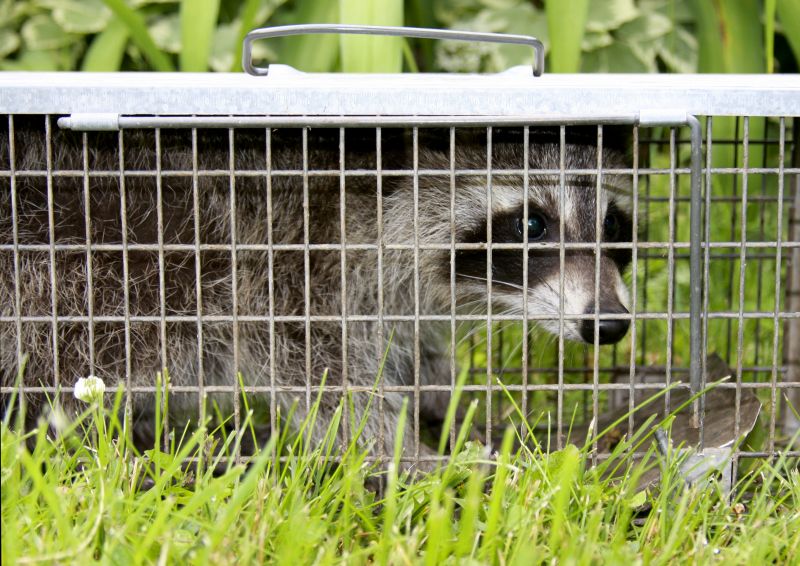
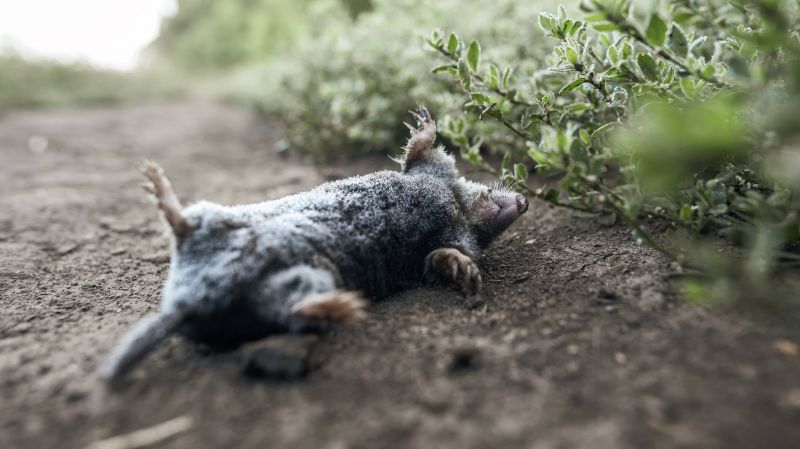
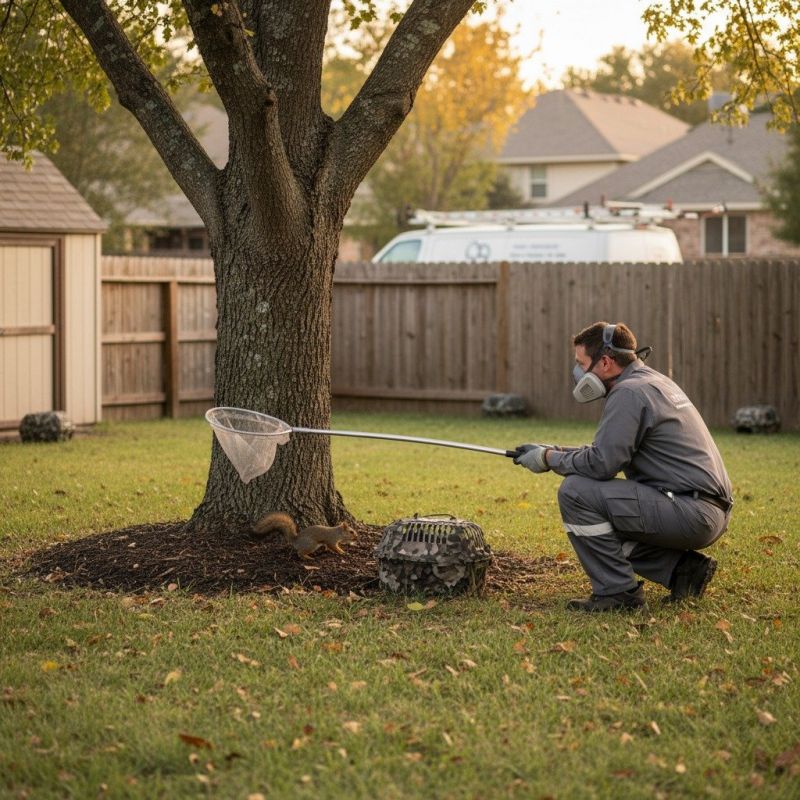
When people search for why humane wildlife removal is important for property and animal safety, they are often concerned about the presence of animals that have entered or are nesting on their property. Common issues include raccoons in the attic, squirrels in the walls, bats roosting in eaves, or birds nesting in vents. These situations can cause property damage, create health hazards, or lead to further infestations if not addressed properly. Homeowners typically want to resolve these problems in a way that protects both their property and the animals involved, which is why humane removal methods are often preferred over lethal solutions.
This topic relates to a variety of property types, including residential homes, commercial buildings, and even agricultural facilities. Residential properties are the most common setting, where animals often find access points through roof vents, chimneys, or gaps in siding. Commercial properties, such as warehouses or office buildings, may also experience wildlife issues that can impact operations or create liability concerns. Agricultural properties might face challenges with animals damaging crops or livestock facilities. In all cases, the goal is to eliminate the animal presence humanely and prevent future entry, which requires understanding the unique features of each property type and implementing appropriate exclusion strategies.
People searching for this topic are usually interested in understanding how wildlife can affect property safety and what steps can be taken to address these issues responsibly. They may be planning a removal project or seeking advice on preventing future problems. The focus is often on humane methods that avoid unnecessary harm to animals while ensuring the property remains safe and secure. Local service providers who specialize in humane wildlife removal can assess the situation, identify entry points, and implement effective solutions tailored to each property’s needs. These professionals help property owners manage wildlife conflicts in a way that respects animal welfare and maintains a safe environment.
Connecting with local pros who specialize in humane wildlife removal is a practical step for property owners facing wildlife issues. These service providers have the expertise to handle a wide range of situations, from removing animals safely to sealing entry points and advising on preventative measures. Their role is to ensure that animals are removed humanely and that the property is protected from future intrusions. By working with experienced local contractors, homeowners and business owners can address wildlife concerns effectively, minimizing damage and health risks while adhering to humane practices. This approach supports the safety of both the property and the animals involved.
Gutter and roof repair projects - these projects often involve identifying and sealing entry points that wildlife use, aligning with humane removal techniques to protect property integrity and animal safety.
Attic insulation services - properly installing insulation requires removing existing pests and ensuring animals cannot re-enter, making it a related skill set to humane wildlife removal.
Exclusion and sealing projects - these involve blocking access points to prevent wildlife from returning, which is a key component of humane wildlife removal strategies for property protection.
Bird control and netting installations - these projects focus on humane deterrence methods that prevent birds and other wildlife from nesting on structures, complementing removal efforts.
Structural repair and reinforcement - strengthening building features to prevent future wildlife intrusion aligns with the planning and execution skills used in humane removal services.
Rodent proofing services - sealing entry points and implementing deterrents are similar to humane wildlife removal, focusing on safe and effective exclusion techniques.
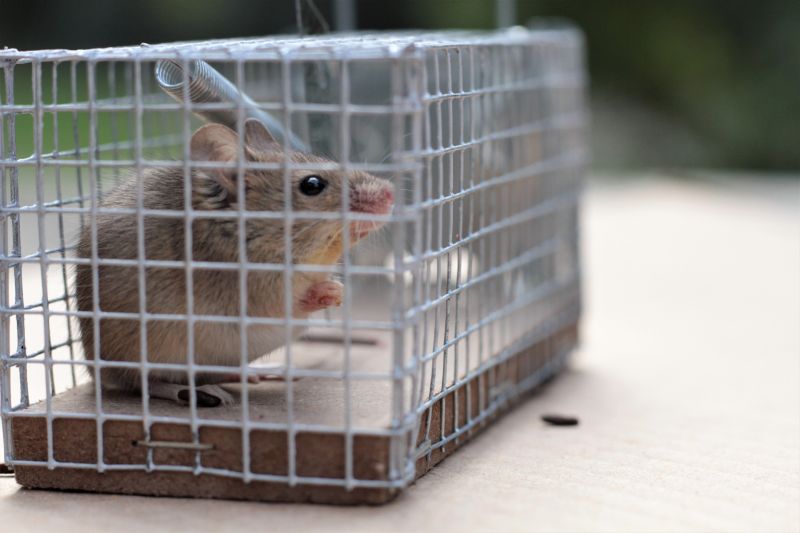
When comparing local service providers for humane wildlife removal, it is important to consider their experience with similar projects. Homeowners should inquire about the types of wildlife they have handled and whether they have successfully addressed situations comparable to their own. An experienced contractor will have a better understanding of the most effective humane methods to remove animals without causing harm, ensuring the safety of both the property and the animals involved. This background can provide confidence that the chosen professional has the practical knowledge needed to manage the job properly and efficiently.
Clear written expectations are essential when selecting a wildlife removal service. Homeowners should seek providers who can offer detailed descriptions of the process, including how animals will be removed and what steps will be taken to prevent future intrusions. Having a transparent plan helps ensure that both parties are aligned on the scope of work and reduces misunderstandings. Well-defined expectations also serve as a basis for evaluating the quality of service and can help homeowners feel more comfortable throughout the project.
Reputable references and effective communication are key factors in choosing the right local contractor. Pros with a history of satisfied clients are more likely to deliver reliable service and handle the project professionally. Homeowners should ask for references or reviews from previous customers to gauge the provider’s track record. Additionally, good communication-such as prompt responses and willingness to answer questions-can make the process smoother and more transparent. This ensures that homeowners remain informed and confident about the work being performed, which is especially important when dealing with humane wildlife removal and property safety concerns.
Property owners often search for why humane wildlife removal is important for property and animal safety when they are planning practical projects around their homes and businesses. Local pros provide Humane Wildlife Removal services for everyday jobs and straightforward project options.
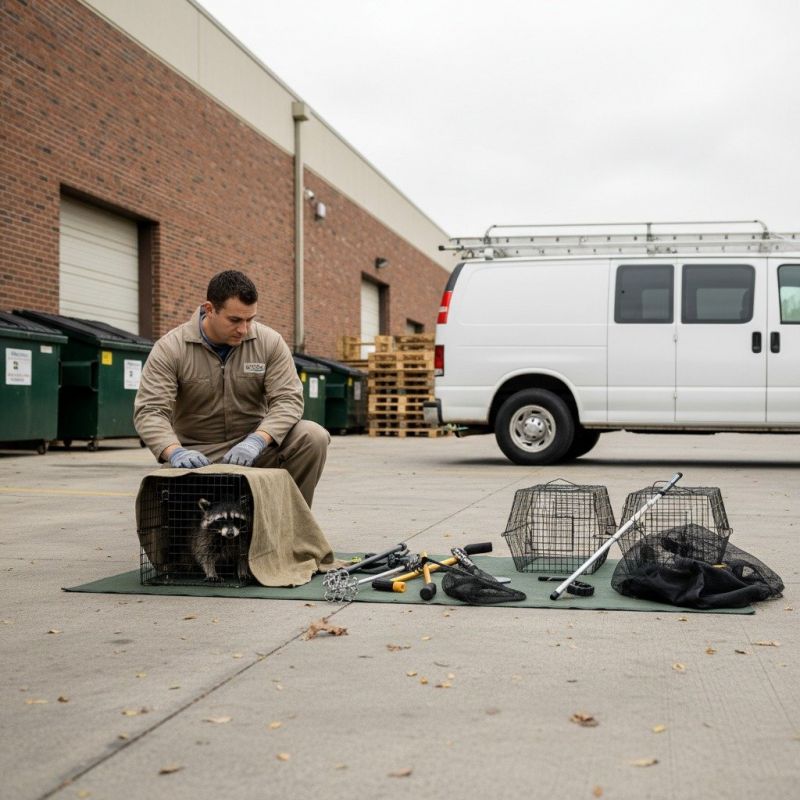
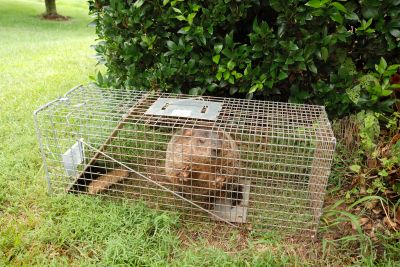
Humane wildlife removal plays a crucial role in maintaining property integrity and ensuring the safety of both residents and animals. When animals such as raccoons, squirrels, or bats find their way into attics, crawl spaces, or walls, they can cause significant damage to structures by gnawing on wiring, insulation, or wood. Property owners in the area often seek out local contractors to handle these situations because professional removal helps prevent further property deterioration and reduces the risk of animals becoming trapped or injured inside the building.
In addition to protecting the physical condition of a property, humane wildlife removal is important for animal safety and well-being. Attempting to remove animals without proper knowledge can lead to injury for both the animals and the property owners. Local service providers who specialize in humane removal techniques are equipped to safely and effectively handle these situations, ensuring animals are relocated responsibly without harm. This approach helps maintain a safe environment for everyone involved while respecting the animals’ welfare.
Why is humane wildlife removal important for property safety? Humane wildlife removal helps prevent property damage caused by animals such as chewed wiring, nesting in insulation, or structural harm, reducing costly repairs and maintaining the property's integrity. Local service providers use methods that safely remove animals without causing harm, protecting both the property and the animals involved.
How does humane wildlife removal contribute to animal safety? Humane wildlife removal ensures animals are relocated without injury or stress, promoting their well-being and preventing dangerous encounters or health risks associated with animals that are trapped or harmed improperly. Local contractors prioritize safe handling to protect animal welfare during the removal process.
What are the risks of not using humane wildlife removal services? Failing to use humane methods can lead to animals becoming aggressive, injured, or dying within structures, which can cause health hazards like infestations or disease transmission. Local wildlife removal professionals employ safe techniques to minimize these risks and ensure proper animal handling.
Why should property owners choose local service providers for wildlife removal? Local contractors are familiar with regional wildlife behaviors and common entry points, enabling more effective and targeted removal. They also follow humane practices that prioritize safety and animal welfare, ensuring property and animal safety are maintained.
How does humane wildlife removal help prevent future animal intrusions? Humane removal often includes sealing entry points and implementing deterrents, reducing the likelihood of animals returning. Local pros can assess property vulnerabilities and help implement long-term solutions that protect both the property and local wildlife.
Identify entry points - property owners can work with local contractors to locate and seal gaps or holes that allow wildlife to access buildings, reducing future intrusion.
Implement humane exclusion methods - using proven techniques, property owners can ensure animals are safely removed and prevented from returning, protecting both property and wildlife.
Maintain clean surroundings - keeping yards and structures clear of debris and food sources helps discourage wildlife from seeking shelter on the property.
Schedule regular inspections - partnering with local service providers for routine checks can catch wildlife issues early and prevent damage or safety risks.
If you are thinking about why humane wildlife removal is important for property and animal safety for a property, this guide is meant to help you understand this topic, the typical project types, and how different options might fit your plans.
When you are ready, you can use the quote form on this page to share a few details about your project. From there, local pros can review the basics and follow up with options that match what you have in mind.